From award-winning author Lesléa Newman comes a shiva story about grief and remembrance, Jewish culture and connection, and learning how to support a friend.

Something Sweet is a beautiful and touching picture book for 5 to 8 year-olds that handles the difficult theme of death with grace, humor, and honesty.


Lizzie’s never experienced shiva before. When she and her mom arrive at Joshua’s house, Lizzie is determined to cheer up her friend who is mourning the loss of his grandfather.

But Joshua isn’t in the mood for their usual puzzles or magic tricks. He misses his favorite baking partner. As Lizzie participates in the Jewish customs of shiva, she begins to learn a new meaning of friendship. Maybe all Joshua needs right now is someone to listen.

Something Sweet balances themes of processing grief, experiencing another culture, and learning how to be a good friend—and does so with tender care.
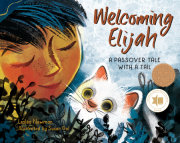
Lesléa Newman has written more than 70 books and anthologies, including Welcoming Elijah: A Passover Tale with a Tail, winner of the Sydney Taylor Book Award and the National Jewish Book Award. Born in Brooklyn, NY, she now resides in Massachusetts.

Sarita Rich is the illustrator of Havdalah Sky: A Poem for the End of Shabbat; Daddy, Me, and the Magic Hour; and Hypnosis Harry. She is from northern Alaska and currently lives in Hawaii. www.saritarich.com

Classroom Activities for Something Sweet

Classroom activities supplement discussion and traditional lessons with group projects and creative tasks. Can be used in pre-existing units and lessons, or as stand-alone.

(Please note: the guide displayed here is the most recently uploaded version; while unlikely, any page citation discrepancies between the guide and book is likely due to pagination differences between a book’s different formats.)

A child helps a friend grapple with the loss of a relative.
Lizzie’s mother is making brownies to take to Joshua’s house; Joshua’s grandfather has just died, and, as Mom explains, he and his family are sitting shiva, the Jewish period of mourning. At Joshua’s home, people explain various customs to Lizzie, like ritual handwashing and covering mirrors. Though informative, these moments sometimes feel a bit clunky, clearly intended to educate readers unfamiliar with shiva rather than advance the narrative. Rabbi Sarah arrives to lead prayers and hold space for the family to share stories about Joshua’s grandpa. The family’s dog, Queenie, provides moments of levity, keeping the serious topic from becoming overwhelming and demonstrating that it’s OK to laugh even amid grief. After, Lizzie sits with Joshua while he cries and recalls his grandfather telling him to nosh on something sweet every day, because life shouldn’t be bitter. Joshua decides to eat two brownies—one for himself, and one for his grandpa—representing the sweetness that exists even in times of sorrow. Newman handles the complexity of loss with care and authenticity in an age-appropriate way. Rich’s muted, expressive watercolors are well suited to the gently solemn tone of the story. Lizzie and Mom are brown-skinned, while Joshua and his family are lighter-skinned; their community is diverse.
A sensitive introduction to grief and to Jewish mourning rituals.
Kirkus Reviews

Loss, comfort, and rituals of remembrance intertwine in Newman and Rich’s relational introduction to the Jewish tradition of sitting shiva. Warmly rendered digital and watercolor compositions anchor the reader as young Lizzie and Mom visit the home of a friend, Joshua, who has lost his grandfather. Lizzie’s first shiva offers a natural framework for introducing Jewish mourning customs: “My mom and dad covered all the mirrors so we can think about Grandpa instead of ourselves,” Joshua notes. But the narrative also deals in universal themes—the title refers not only to the baked goods that Lizzie takes to the house but also to Joshua’s memories of his beloved, funny grandfather, and to the loving-kindness of showing up for others in times of grief. Compassionate and accessible, this story assures readers that solace can be found even in sorrow. A contextualizing author’s note concludes. Background characters are portrayed with various skin tones.
Publishers Weekly

Following the passing of her friend Joshua’s grandfather, Lizzie and her mom sit shiva. They walk over to Joshua’s home with some brownies. As the book progresses, Lizzie learns more about what it means to sit shiva. Joshua, following his grandfather’s death, is understandably upset. As he talks and shares memories with Lizzy, he remembers how his grandfather told him to eat something sweet each day so that life doesn’t feel as bitter. Told with nuance, this book works well as an introduction to the topic or as an empathetic read for those who have lost a loved one. The last page contains an author’s note and more on the subject of shivas. With the muted palette, the tone of the writing is impeccably matched with the artwork. The flashbacks of the grandfather are done in sepia, giving an old-school feeling. A wonderful addition to the difficult topics of death and grieving.
—Booklist


About

From award-winning author Lesléa Newman comes a shiva story about grief and remembrance, Jewish culture and connection, and learning how to support a friend.

Something Sweet is a beautiful and touching picture book for 5 to 8 year-olds that handles the difficult theme of death with grace, humor, and honesty.


Lizzie’s never experienced shiva before. When she and her mom arrive at Joshua’s house, Lizzie is determined to cheer up her friend who is mourning the loss of his grandfather.

But Joshua isn’t in the mood for their usual puzzles or magic tricks. He misses his favorite baking partner. As Lizzie participates in the Jewish customs of shiva, she begins to learn a new meaning of friendship. Maybe all Joshua needs right now is someone to listen.

Something Sweet balances themes of processing grief, experiencing another culture, and learning how to be a good friend—and does so with tender care.

Author

Lesléa Newman has written more than 70 books and anthologies, including Welcoming Elijah: A Passover Tale with a Tail, winner of the Sydney Taylor Book Award and the National Jewish Book Award. Born in Brooklyn, NY, she now resides in Massachusetts.

Sarita Rich is the illustrator of Havdalah Sky: A Poem for the End of Shabbat; Daddy, Me, and the Magic Hour; and Hypnosis Harry. She is from northern Alaska and currently lives in Hawaii. www.saritarich.com

Guides

Classroom Activities for Something Sweet

Classroom activities supplement discussion and traditional lessons with group projects and creative tasks. Can be used in pre-existing units and lessons, or as stand-alone.

(Please note: the guide displayed here is the most recently uploaded version; while unlikely, any page citation discrepancies between the guide and book is likely due to pagination differences between a book’s different formats.)

Praise

A child helps a friend grapple with the loss of a relative.
Lizzie’s mother is making brownies to take to Joshua’s house; Joshua’s grandfather has just died, and, as Mom explains, he and his family are sitting shiva, the Jewish period of mourning. At Joshua’s home, people explain various customs to Lizzie, like ritual handwashing and covering mirrors. Though informative, these moments sometimes feel a bit clunky, clearly intended to educate readers unfamiliar with shiva rather than advance the narrative. Rabbi Sarah arrives to lead prayers and hold space for the family to share stories about Joshua’s grandpa. The family’s dog, Queenie, provides moments of levity, keeping the serious topic from becoming overwhelming and demonstrating that it’s OK to laugh even amid grief. After, Lizzie sits with Joshua while he cries and recalls his grandfather telling him to nosh on something sweet every day, because life shouldn’t be bitter. Joshua decides to eat two brownies—one for himself, and one for his grandpa—representing the sweetness that exists even in times of sorrow. Newman handles the complexity of loss with care and authenticity in an age-appropriate way. Rich’s muted, expressive watercolors are well suited to the gently solemn tone of the story. Lizzie and Mom are brown-skinned, while Joshua and his family are lighter-skinned; their community is diverse.
A sensitive introduction to grief and to Jewish mourning rituals.
Kirkus Reviews

Loss, comfort, and rituals of remembrance intertwine in Newman and Rich’s relational introduction to the Jewish tradition of sitting shiva. Warmly rendered digital and watercolor compositions anchor the reader as young Lizzie and Mom visit the home of a friend, Joshua, who has lost his grandfather. Lizzie’s first shiva offers a natural framework for introducing Jewish mourning customs: “My mom and dad covered all the mirrors so we can think about Grandpa instead of ourselves,” Joshua notes. But the narrative also deals in universal themes—the title refers not only to the baked goods that Lizzie takes to the house but also to Joshua’s memories of his beloved, funny grandfather, and to the loving-kindness of showing up for others in times of grief. Compassionate and accessible, this story assures readers that solace can be found even in sorrow. A contextualizing author’s note concludes. Background characters are portrayed with various skin tones.
Publishers Weekly

Following the passing of her friend Joshua’s grandfather, Lizzie and her mom sit shiva. They walk over to Joshua’s home with some brownies. As the book progresses, Lizzie learns more about what it means to sit shiva. Joshua, following his grandfather’s death, is understandably upset. As he talks and shares memories with Lizzy, he remembers how his grandfather told him to eat something sweet each day so that life doesn’t feel as bitter. Told with nuance, this book works well as an introduction to the topic or as an empathetic read for those who have lost a loved one. The last page contains an author’s note and more on the subject of shivas. With the muted palette, the tone of the writing is impeccably matched with the artwork. The flashbacks of the grandfather are done in sepia, giving an old-school feeling. A wonderful addition to the difficult topics of death and grieving.
—Booklist