
Penguin Random House, author portrait placeholder image

Emily Bronte

Emily Jane Brontë was the most solitary member of a unique, tightly-knit, English provincial family. Born in 1818, she shared the parsonage of the town of Haworth, Yorkshire, with her older sister, Charlotte; her brother, Branwell; her younger sister, Anne; and her father, the Reverend Patrick Brontë. All five were poets and writers, and all but Branwell would publish at least one book. Fantasy was the Brontë children’s one relief from the rigors of religion and the bleakness of life in an impoverished region. In 1845, Charlotte Brontë came across a manuscript volume of her sister’s poems. At her sister’s urging, Emily’s poems, along with Anne’s and Charlotte’s, were published pseudonymously in 1846. An almost complete silence greeted this volume, but the three sisters, buoyed by the fact of publication, immediately began to write novels. Emily’s effort was Wuthering Heights; appearing in 1847, it was treated at first as a lesser work by Charlotte, whose Jane Eyre had already been published to great acclaim. Emily Brontë’s name did not emerge from behind her pseudonym of Ellis Bell until the second edition of her novel appeared in 1850.
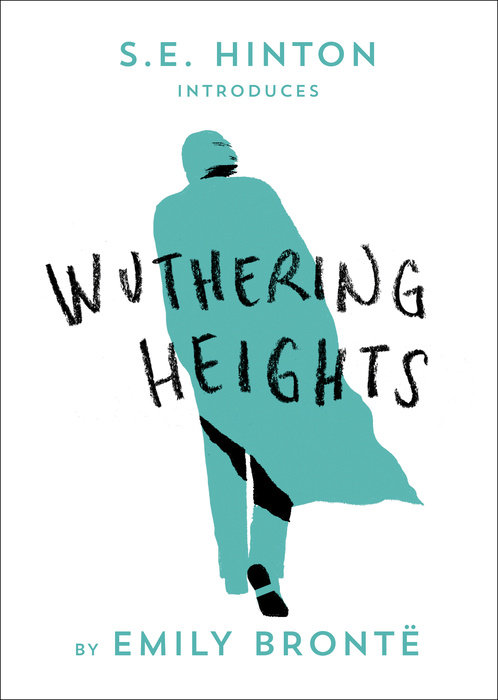
Wuthering Heights

Books

Wuthering Heights

Books for Black History Month

In honor of Black History Month this February, we are highlighting essential fiction and nonfiction for students, teachers, and parents to share and discuss this month and beyond. Join Penguin Random House Education in celebrating the contributions of Black authors and illustrators by exploring the titles here: BLACK HISTORY – ELEMENTARY SCHOOL TITLES Explore these

Read more