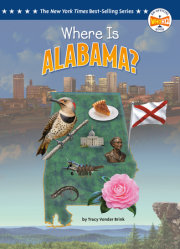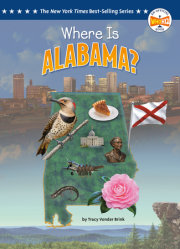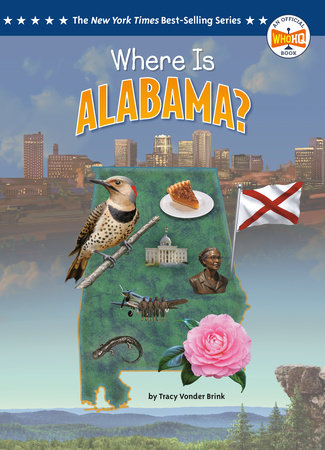

Dive into the history, geography, and culture of Alabama in this installment of the 50 States series. From major cities to historic events, Where Is Alabama? introduces you to the state in a whole new way, whether you’re proud to call it home or learning about a distant destination.
Visit famous landmarks like the Tuskegee Airmen National Historic Site. Meet important people like Helen Keller. Read about how Rosa Parks helped start the Montgomery bus boycott and where the first 911 call was ever made in the United States. Fans of sports, nature, and weird facts will all find something to love about the home of the Talladega Superspeedway and the Red Hills salamander. Not to mention Russell Cave National Monument, witness to over ten thousand years of human history!
Including timelines, black-and-white illustrations, and a fact-filled “At a Glance” section, this book has everything you need to know about the heritage, development, and present day of Alabama.
Who HQ is your headquarters for history. The Who HQ team is always working to provide simple and clear answers to some of our biggest questions. From Who Was George Washington? to Who Is Michelle Obama?, and What Was the Battle of Gettysburg? to Where Is the Great Barrier Reef?, we strive to give you all the facts. Visit us at WhoHQ.com View titles by Who HQ
Where Is Alabama?

On December 1, 1955, Rosa Parks was going home from work on a city bus in Montgomery, Alabama. She took a seat in the middle of the bus, at the front of the section where Black people were allowed to sit. At the time in Alabama and across many parts of the United States, Black people had to use different parts of businesses, restaurants, and buses. They had separate drinking fountains and bathrooms from white people. This is called segregation.

Parks, like many people in the United States, wanted this unfair system to change. She signed up to vote even though she had to pass a test and pay extra money. She joined the NAACP, a group that protested racism and violence. In 1943, Parks volunteered as the secretary of the Montgomery NAACP. In 1955, the Montgomery NAACP was thinking about taking the city to court over the rules that said Black people had to ride in the back of city buses. Parks had been part of the talks, but she hadn’t planned the lawsuit would be about her.

The bus filled up that day, and all the seats were taken. The driver told Parks to stand so that a white passenger could have her seat. Parks was done with giving in. She told the driver no. The driver said he’d have her arrested. Parks told him, “You may do that.”

Parks’s arrest sparked the Montgomery Bus Boycott. Starting on December 5, the NAACP and other local groups asked their members not to spend their money to ride the city buses. More than thirty thousand Black Alabamians joined in. Instead, people walked or gave one another rides. A local attorney sued the bus companies. The Montgomery Bus Boycott lasted 381 days, until the US Supreme Court ruled that segregating buses was illegal.

The boycott was one of the first mass protests of the civil rights movement. Rosa Parks was one of the Alabamians who led the way.

About

Dive into the history, geography, and culture of Alabama in this installment of the 50 States series. From major cities to historic events, Where Is Alabama? introduces you to the state in a whole new way, whether you’re proud to call it home or learning about a distant destination.

Visit famous landmarks like the Tuskegee Airmen National Historic Site. Meet important people like Helen Keller. Read about how Rosa Parks helped start the Montgomery bus boycott and where the first 911 call was ever made in the United States. Fans of sports, nature, and weird facts will all find something to love about the home of the Talladega Superspeedway and the Red Hills salamander. Not to mention Russell Cave National Monument, witness to over ten thousand years of human history!

Including timelines, black-and-white illustrations, and a fact-filled “At a Glance” section, this book has everything you need to know about the heritage, development, and present day of Alabama.

Author

Who HQ is your headquarters for history. The Who HQ team is always working to provide simple and clear answers to some of our biggest questions. From Who Was George Washington? to Who Is Michelle Obama?, and What Was the Battle of Gettysburg? to Where Is the Great Barrier Reef?, we strive to give you all the facts. Visit us at WhoHQ.com View titles by Who HQ

Excerpt

Where Is Alabama?

On December 1, 1955, Rosa Parks was going home from work on a city bus in Montgomery, Alabama. She took a seat in the middle of the bus, at the front of the section where Black people were allowed to sit. At the time in Alabama and across many parts of the United States, Black people had to use different parts of businesses, restaurants, and buses. They had separate drinking fountains and bathrooms from white people. This is called segregation.

Parks, like many people in the United States, wanted this unfair system to change. She signed up to vote even though she had to pass a test and pay extra money. She joined the NAACP, a group that protested racism and violence. In 1943, Parks volunteered as the secretary of the Montgomery NAACP. In 1955, the Montgomery NAACP was thinking about taking the city to court over the rules that said Black people had to ride in the back of city buses. Parks had been part of the talks, but she hadn’t planned the lawsuit would be about her.

The bus filled up that day, and all the seats were taken. The driver told Parks to stand so that a white passenger could have her seat. Parks was done with giving in. She told the driver no. The driver said he’d have her arrested. Parks told him, “You may do that.”

Parks’s arrest sparked the Montgomery Bus Boycott. Starting on December 5, the NAACP and other local groups asked their members not to spend their money to ride the city buses. More than thirty thousand Black Alabamians joined in. Instead, people walked or gave one another rides. A local attorney sued the bus companies. The Montgomery Bus Boycott lasted 381 days, until the US Supreme Court ruled that segregating buses was illegal.

The boycott was one of the first mass protests of the civil rights movement. Rosa Parks was one of the Alabamians who led the way.