
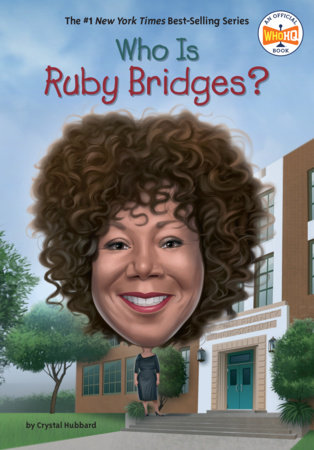
























































How did a six-year-old Black girl become the courageous face of the 1960 civil rights movement? Learn all about the inspiring true story of the civil rights activist Ruby Bridges.

Even though the US Supreme Court ruled segregated schools illegal in 1954, it wasn’t until 1960 that school integration began in Louisiana. Many racist communities—especially in the Southern part of the country—held fast to their dream of remaining segregated in all facets of society. Six-year-old Ruby Bridges was about to become one of the first Black children to attend an all-white elementary school following the Brown v. Board of Education ruling. Her white peers boycotted school, and people protested outside the William Frantz Elementary School in New Orleans, Louisiana, yelling at Ruby as she walked into school. But Ruby wasn’t afraid. She courageously held her head high, ready to open doors not only for herself, but for Black students across the country.

By the time Ruby Bridges graduated high school, all public schools in the US were integrated. Thanks to Ruby’s bravery, education in the United States was forever changed for the better. Today, Ruby is a civil rights activist who inspires children to become the change they want to see in the world.
Who HQ is your headquarters for history. The Who HQ team is always working to provide simple and clear answers to some of our biggest questions. From Who Was George Washington? to Who Is Michelle Obama?, and What Was the Battle of Gettysburg? to Where Is the Great Barrier Reef?, we strive to give you all the facts. Visit us at WhoHQ.com View titles by Who HQ
Who Is Ruby Bridges?

On November 14, 1960, Ruby Bridges was riding in an unfamiliar car. Ruby tried to look out the window as she and her mother were driven to William Frantz Elementary School—a new school for her. She was in the back seat, beside her mother. They were squeezed between two men in suits. There were two more men in the front seat. The men had come to her house to drive her to her new school. They were federal marshals, special police officers that worked for the US government. Ruby wanted to get closer to a window, but her mother told her she had to be very well-behaved today. Crawling over someone to look out the window wasn’t using your best manners.

A noisy crowd was outside her new school. There were so many people! They screamed and shouted. Signs waved and angry fists punched up into the air. The noise reminded Ruby of the sounds and parades of Mardi Gras (say: MAR-dee Graw). Mardi Gras was a huge event every year in New Orleans, Louisiana, where Ruby and her family lived. The people riding on the parade floats tossed candy, little toys, and shiny beads to the many spectators who gathered to watch from the sidewalk. Big crowds always came to New Orleans to enjoy the fun of the Mardi Gras parades.

The car finally stopped in front of the school. One of the men in the front seat of the car got out and opened the back door. Ruby inched closer to her mother to hold her hand. The marshals kept the noisy crowd from blocking six-year-old Ruby’s way into the school.

This isn’t Mardi Gras, Ruby thought. These people didn’t look as if they were having fun. She clutched her mother’s hand tighter and hurried through the front door of the building. Ruby was relieved when the school doors closed and shut out the sound of the crowd. It was her first day of first grade.

About

How did a six-year-old Black girl become the courageous face of the 1960 civil rights movement? Learn all about the inspiring true story of the civil rights activist Ruby Bridges.

Even though the US Supreme Court ruled segregated schools illegal in 1954, it wasn’t until 1960 that school integration began in Louisiana. Many racist communities—especially in the Southern part of the country—held fast to their dream of remaining segregated in all facets of society. Six-year-old Ruby Bridges was about to become one of the first Black children to attend an all-white elementary school following the Brown v. Board of Education ruling. Her white peers boycotted school, and people protested outside the William Frantz Elementary School in New Orleans, Louisiana, yelling at Ruby as she walked into school. But Ruby wasn’t afraid. She courageously held her head high, ready to open doors not only for herself, but for Black students across the country.

By the time Ruby Bridges graduated high school, all public schools in the US were integrated. Thanks to Ruby’s bravery, education in the United States was forever changed for the better. Today, Ruby is a civil rights activist who inspires children to become the change they want to see in the world.

Author

Who HQ is your headquarters for history. The Who HQ team is always working to provide simple and clear answers to some of our biggest questions. From Who Was George Washington? to Who Is Michelle Obama?, and What Was the Battle of Gettysburg? to Where Is the Great Barrier Reef?, we strive to give you all the facts. Visit us at WhoHQ.com View titles by Who HQ

Excerpt

Who Is Ruby Bridges?

On November 14, 1960, Ruby Bridges was riding in an unfamiliar car. Ruby tried to look out the window as she and her mother were driven to William Frantz Elementary School—a new school for her. She was in the back seat, beside her mother. They were squeezed between two men in suits. There were two more men in the front seat. The men had come to her house to drive her to her new school. They were federal marshals, special police officers that worked for the US government. Ruby wanted to get closer to a window, but her mother told her she had to be very well-behaved today. Crawling over someone to look out the window wasn’t using your best manners.

A noisy crowd was outside her new school. There were so many people! They screamed and shouted. Signs waved and angry fists punched up into the air. The noise reminded Ruby of the sounds and parades of Mardi Gras (say: MAR-dee Graw). Mardi Gras was a huge event every year in New Orleans, Louisiana, where Ruby and her family lived. The people riding on the parade floats tossed candy, little toys, and shiny beads to the many spectators who gathered to watch from the sidewalk. Big crowds always came to New Orleans to enjoy the fun of the Mardi Gras parades.

The car finally stopped in front of the school. One of the men in the front seat of the car got out and opened the back door. Ruby inched closer to her mother to hold her hand. The marshals kept the noisy crowd from blocking six-year-old Ruby’s way into the school.

This isn’t Mardi Gras, Ruby thought. These people didn’t look as if they were having fun. She clutched her mother’s hand tighter and hurried through the front door of the building. Ruby was relieved when the school doors closed and shut out the sound of the crowd. It was her first day of first grade.